All Webinars
Adoption Learning Partners' webinars offer helpful support on timely topics and feature the leading experts in the field of adoption. Our experts present the latest research, draw on real life experience and provide answers to your questions.
Moving from infertility treatment to adoption can be a difficult transition. Learn how to define loss in adoption – for all parties, understand the benefits of a child focused adoption process and assess your readiness to begin the process.
Michelle Madrid-Branch shares her personal journey and the things that helped and hurt along the way. An adoption-competent therapist joins her with advice on what adoptive parents can do to help foster a healthy sense of self, while keeping their adopted children company along the way.
A discussion with Heather T. Forbes, LCSW on how to help your child succeed at school. She presents tips and strategies on how to help your child be more successful at school, therefore easing some of the stress at home.
Depression, while usually associated with lethargy in adults, often looks like anger in kids. Anxiety typically sounds fearful in adults, but looks more like avoidance, annoyance or off the wall behavior in children.Join us for a discussion on anxiety and depression in children.
An exploration of why young children (and their parents!) often sleep so poorly, and what to do about it! This webinar will help you formulate sleep strategies and trouble shoot specific sleep problems.
We bring together a panel of adults adopted from Asia and parents who adopted transracially from Asia to talk about conversations they’ve had around culture, abandonment, homeland visits and more. They discuss the prejudice and significant rise in racism towards Asians since Covid-19 as well as the loss of identity that Asian children with White parents may experience.
Secure parent-child attachments are essential to healthy child development, but often adoption can present challenges to the process.
Join world-renowned attachment expert Dr. Dan Hughes as he shares family-centered strategies using the PLACE framework (Playfulness, Love, Acceptance, Curiosity, Empathy).
Dr. Karyn Purvis discusses research surrounding attachment and connecting with children who have experienced a tough beginning in life.
Many adoptive parents of black girls struggle with caring for their daughters’ hair. This challenge can impact a parent’s sense of confidence, as well as their daughter’s self-esteem. That’s why we’ve turned to the experts for help!
A review of key findings from a study of over 450 adult adoptees focusing on the complex and inter related impacts of being adopted and raised by parents of a different ethnicity. A panel of transracially placed adult adoptees give their personal perspectives and address common questions.
Birth Family, First Family, Original Family. All terms commonly used for the people who are connected to our children through blood relation. And though we may imagine that our tweens and teens may want to search “someday” for these connections, the truth is that every adoptive family today should be proactively making choices about searching NOW.
This webinar shares the realities of birth family search today and provide tips and tools to make informed choices.
In this webinar, The Cradle’s Our Children initiative brings together a panel to share share how listening to the news about racial tension in America today affects them as a parent of a Black child.
We discuss how White parents’ privilege can extend to their child when they are together, but when alone, the privilege is gone for their child. We talk about what parents are doing to connect to their child’s culture and community and if they have significant relationships with adults within their child’s racial/ethnic groups. Finally, we learn how parents respond to people who say “race is a non-issue”, “we don’t see color in this house” or “race doesn’t matter and all you need is love”.
In this webinar, The Cradle’s Our Children initiative brings together a panel of therapists and parents to discuss the stigma that exists around mental health and why the rate of Black families seeking mental health care and treatment is much lower than White families. They talk about why mental health services should be designed with cultural and social nuances in mind as well as the upward trend in mental health needs as Covid-19 has interrupted the lives of so many kids and limited their social activities.
Breastfeeding, Bottles and Beyond (with certificate) : Infant Feeding Options for Adoptive Parents
Lactation consultant Alyssa Schnell helps parents and prospective parents navigate the world of infant feeding. Parents are not limited to formula and bottles. And if neither formula nor breastfeeding quite fit, let us help you find other options.
Arleta James discusses helping children navigate relationships when new kids join the family. Our experts will share transition tips and strategies for welcoming a toddler or school aged child home, focusing on preparing brothers and sisters prior to adoption and the first year after adoption.
All parents hope for close relationships with their children. And for children, trusting their parents and feeling secure in their family is essential. Often, adoption can pose challenges to the attachment process. Circumstances prior to adoption experiences either in utero, in an orphanage or in foster care, can create serious barriers to attachment.
In the car...in the kitchen...at bedtime...it can happen when you least expect it - your child asks you a question about adoption and you don’t know how to answer it. Join us for a webinar featuring Pat Irwin Johnston, author and adoptive parent, as she discusses common questions kids ask, how to share tough stuff and answering questions with limited information.
In this webinar, The Cradle’s Our Children initiative brings together a panel to discuss the momentum of Black Lives Matter today and what has changed since it began in 2013. We talk about the increased corporate support to Black organizations and if racial imbalances within their companies are also being addressed.
Panelists discuss the changing demographics on the front lines of support for the equality of African Americans. Additionally, panelists will share their thoughts on the recent acknowledgment of Juneteenth, the pros and cons of defunding the police, and Black men who are re-considering a career in law enforcement because of what is happening today.
Whether a child joins a family through domestic adoption, international adoption, or foster care, he or she may have needs that require additional consideration. Pediatrician, author, and adoptive parent Dr. Elaine Schulte helps parents and prospective parents navigate these potential needs with strategies and tips from her book, Caring for Your Adopted Child: An Essential Guide for Parents.
As parents, we all know how important providing a sound education is to our child. Ideally, a school is a nurturing environment where our children learn from teachers, coaches and classmates and start to imagine their futures. But sometimes things can get in the way of that dream. Societal biases as well as spoken and unspoken prejudices fuel expectations, and our Black children feel the impact.
Secure parent-child attachments are essential to healthy child development, but often adoption can present challenges to the process. World renowned attachment expert Dr. Dan Hughes shares family centered strategies on how to connect to your child as a toddler, tween and teen. Lynn Wetterberg presents ideas on finding attachment related resources and professional support.
At some point all parents face behavioral challenges with their children. Adopted children have often had unfortunate experiences that may increase misbehavior and make traditional discipline techniques ineffective. Join Phyllis Booth, Founder of Theraplay®, and Mandy Jones, LCSW, JD, certified Theraplay® therapist at the Center for Lifelong Adoption Support, as they provide an empathetic understanding of why negative behaviors occur and discuss tools, techniques and activities that parents can use to tame temper tantrums and create positive relationships.
Equipping Adoptive Parents with Tools (with certificate) : Relationship, Regulation, & Resilience
Join Julie Beem, Executive Director of the Attachment & Trauma Network, Inc. as she explores the specific parenting tools that adoptive parents need to create relationship, teach regulation and build resilience in our children.
An "in the trenches" discussion on how parents of adopted children with special needs can get connected and supported. Martha Osborne, adopted person, adoptive mom and founder of the largest special needs adoption advocacy website, RainbowKids.com, discusses the unexpected challenges parents of post-institutionalized children often face.
Join Dr. Ira Chasnoff as he helps parents sort through complications that may arise when raising a child who was exposed to alcohol before birth. Dr Chasnoff will explain the physical and developmental impact of pre-natal alcohol exposure on children as they grow. He will also offer practical intervention ideas and strategies that parents can use to help their child develop to their maximum potential.
Family meetings are an important tool for families to incorporate into their weekly routine. Used effectively, family meetings provide a platform for safe communication, while ensuring every member has a vocal role in family decisions.
Join Dr. Rebecca Nelson, a licensed clinical child and adolescent psychologist, as she discusses the unique developmental challenges adopted children may face. She will identify signs that a child might need professional help as well as when and from whom to seek help.
The focus of this webinar is from the Black boy’s perspective; what it’s like to go from that precious chubby-cheeks child to a young man now seen as a threat.
In this webinar, The Cradle’s Our Children initiative brings together a panel of Generation Z and Millennial males to discuss their transition from a young boy to a young man and the fear that brings to many people. The panelists share experiences from when they first realized that they were viewed differently than their White counterparts. They share their fears and the things that Black boys and young men must be mindful of as they go through life at school or hanging out with friends.
As your child grows and learns more about her story, she will have more questions, concerns and feelings about adoption. Understanding those emotions and feelings is essential to helping your child build a healthy identity. But how do you learn how to best support her? Ask someone who's been there!
Join moderator Leah Bloom, LMFT, a faculty member at the Chicago Center For Family Health and an adult internationally adopted person, as she leads our panel through a discussion about the intricacies of identity formation within an adopted individual. Martha Osborne, founder of RainbowKids and a domestically adopted individual will be one of four people sharing personal experiences and insights into growing up adopted.
Our panel - an adopted person, a birth mom and an adoptive mom - reflects back on their own experiences with adoption and pose questions to each other giving adoptive parents insight into the thoughts and feelings of each member of the triad.
Sharing their personal stories, and asking challenging questions of each other, offers an understanding of different experiences to parents who may not be able to ask such questions in their own adoption relationships.
Join speakers Susan Soonkeum Cox of Holt International and Joy Lieberthal, LCSW and co-founder of I Am Adoptee, as they discuss the many possibilities and complexities of international search and reunion.
Because many adoptive families struggle with the difficult task of sorting out if behaviors and challenges are adoption related or not, we asked an expert to help! Dr. Gregory Keck discusses common challenges at each developmental stage and offers real life examples and suggestions.
Katja Rowell, M.D., aka the Feeding Doctor, will help you understand why eating and mealtimes can be so difficult, and share relationship-building strategies to help children do their best with eating.
Join us for a moderated panel of people who were transracially placed. Our panelists come from varied backgrounds. Some were adopted internationally while others were adopted as infants domestically or through the foster care system.
They will reflect back to their childhood as well as comment on their current feelings about being transracially adopted.
Join Child Therapist Susan Stutzman, LCPC, RPT-S, as she helps adoptive parents and prospective adoptive parents understand the physical and developmental impacts of pre-natal substance exposure on children. She’ll offer practical intervention ideas and strategies that parents can use to help their children reach their maximum potential.
Present Moment Parenting (with certificate) : Challenging Behavior Causes and Healing Techniques
There are many reasons why a child doesn’t respond to typical parenting techniques. Join Tina Feigal, MS Ed., author and parent coach, as she helps parents develop new strategies.
Raising Black Boys is an honest dialogue about some of the tough realities and complex issues that Black children may experience and how their parents can guide, support and prepare them for a society that is far from color blind.
We bring together a panel of Black parents to talk about the challenges of raising Black boys in 2020. Panelists discuss the conversations they are having with their sons around the Black Lives Matter Movement and protests happening around the world. They will share how they are explaining the incidents of violence and racial tension in the news each day and how these conversations shape our young boys as they transition to adulthood. We talk about everyday fears parents have for their sons’ safety and what they tell their sons to ensure that they get home safely.
Raising Black Girls is an honest dialogue about some of the tough realities and complex issues that Black children may experience and how their parents can guide, support and prepare them for a society that is far from color blind.
Join us for a moderated panel of African American women. Our panelists come from varied backgrounds. Some were transracially placed as young children. All are distinguished professionals in their respective fields.
In this webinar, The Cradle’s Our Children initiative brings together a panel of parents to discuss issues prevalent to Black girls. Many of the challenges faced by Black boys are very similar to those Black girls face but are not often discussed. We have an open and honest dialogue around the realities Black girls face and the added layers in parenting that come with raising a Black girl today. Panelists share the discussions they are having with their daughters, and the major concerns they face while raising her in today’s world. We tackle some very serious topics around safety and the emotional toll that the current state of the world has on Black girls.
Sensory Integration and Self-Regulation: Tips for Parenting Sensational Kids (with certificate)
Join Clinical Pediatric Psychologist Dan Griffith, Ph.D. as he uses real life examples to help address challenges regarding sensory and regulatory difficulties.
Join Sally Carman, OTR/L, as she:
Following the presentation there will be an opportunity to ask questions of the presenter.
It's a sad reality that many children adopted internationally or through foster care may have suffered sexual abuse. Mary Jo Barrett, MSW gives parents insight on how to recognize signs of abuse, and how to support and teach your child.
Snack, Play, Love (with certificate) : The Connection Between Nutrition and Your Child's Behavior
Dr. Karyn Purvis discusses the most recent research on the impact nutrition can have on behavior.
Join Theraplay® therapist and trainer, Andrea Bushala, to learn how to incorporate stories and play into your family’s routine. Attachment can be challenging for children and parents. By using simple activities designed to build interaction, Andrea will teach parents different techniques to create moments of joy and connection.
In this webinar, The Cradle’s Our Children initiative brings together a panel to address some of the important educational issues facing our children, such as inequities in the education system and test biases that exist today. In addition, systemic bias will be addressed, such as why Black boys are more likely than any other group to be placed in Special Education classes.
Panelists share their perspectives and discuss effective strategies parents can use to set their child up for success in school and what parents can do to ensure that teachers are setting appropriate expectations for their children.
Traditional discipline methods can be ineffective and even potentially damaging for adopted children - children who have experienced loss. Learn how to correct behavior while focusing on keeping a strong connection with your child.
Join speaker Dafna Lender of Theraplay, as she provides specific examples and practical advice on addressing troubling behavior.
Adopted people and adoptive parents don’t always look at adoption the same way. Understanding your child’s feelings about adoption is essential, so how do you gain some insight?Our panel of adult adopted people discusses what they wish their parents had known.
Recorded Webinar
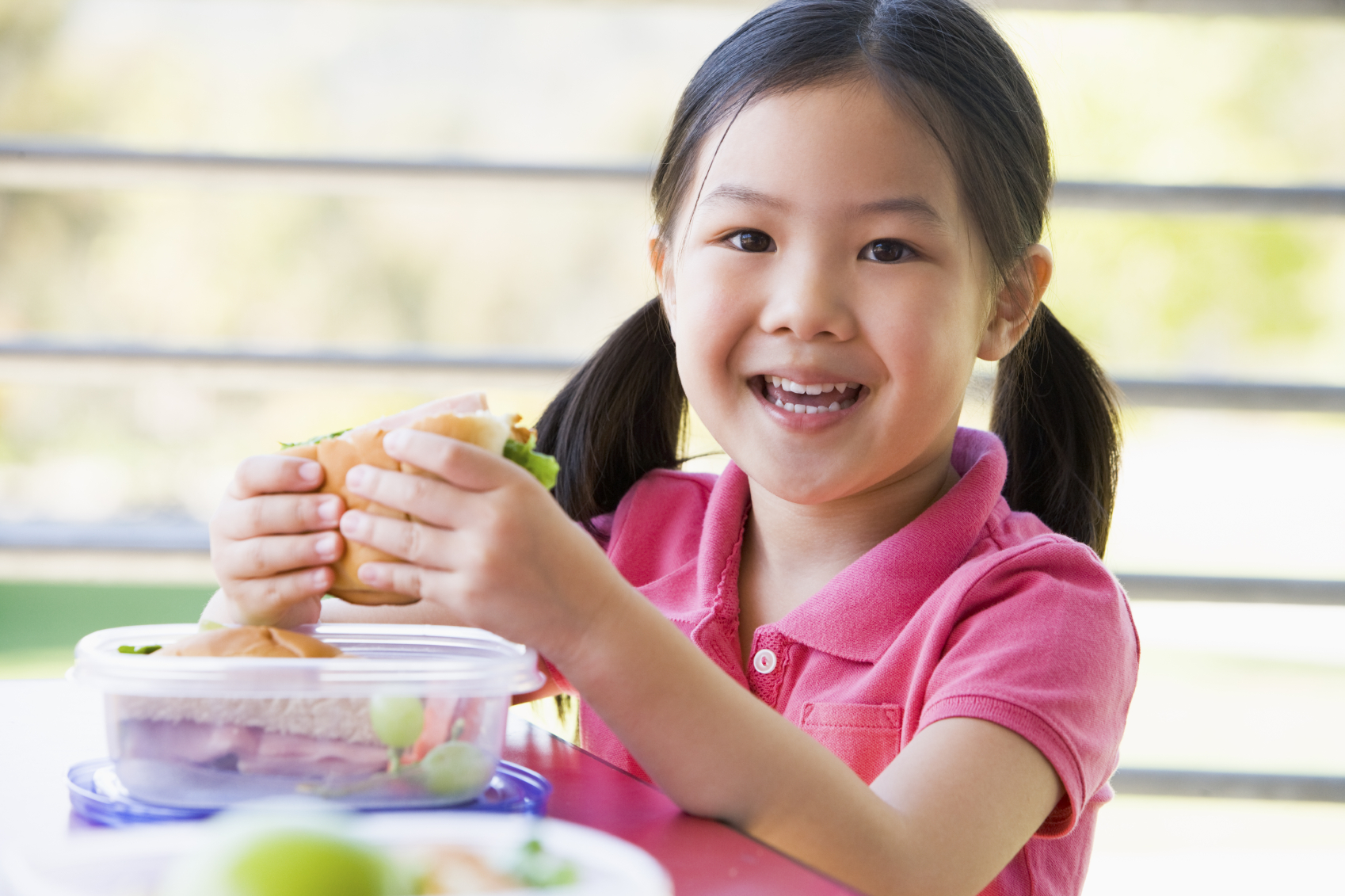
Love Me, Feed Me
Katja Rowell, M.D., aka the Feeding Doctor, will help you understand why eating and mealtimes can be so difficult, and share relationship-building strategies to help children do their best with eating.